
How to Protect Your Hearing at Concerts, Festivals, and Noisy Workplaces
If you spend time at concerts, music festivals, or in noisy workplaces, looking after your hearing is as important as caring for any other part of your health.

If you spend time at concerts, music festivals, or in noisy workplaces, looking after your hearing is as important as caring for any other part of your health.
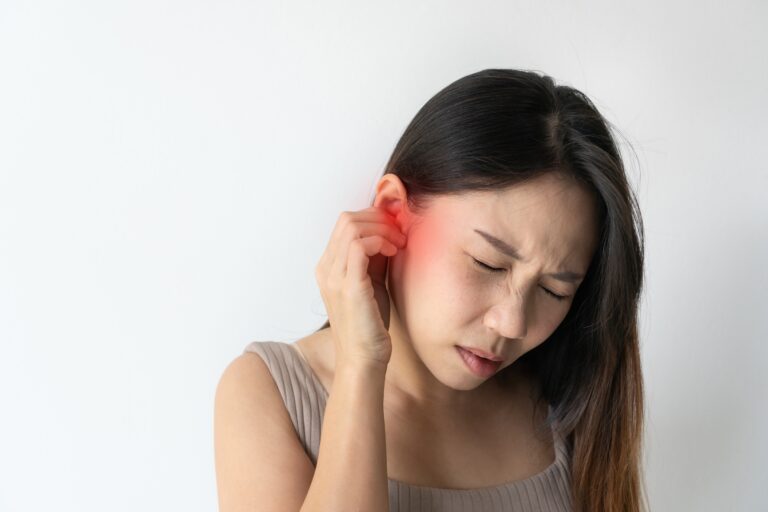
Many perforated eardrums heal on their own within a few weeks, but it’s still helpful to have your ear assessed, especially if you notice hearing changes, discharge, pain, or dizziness.
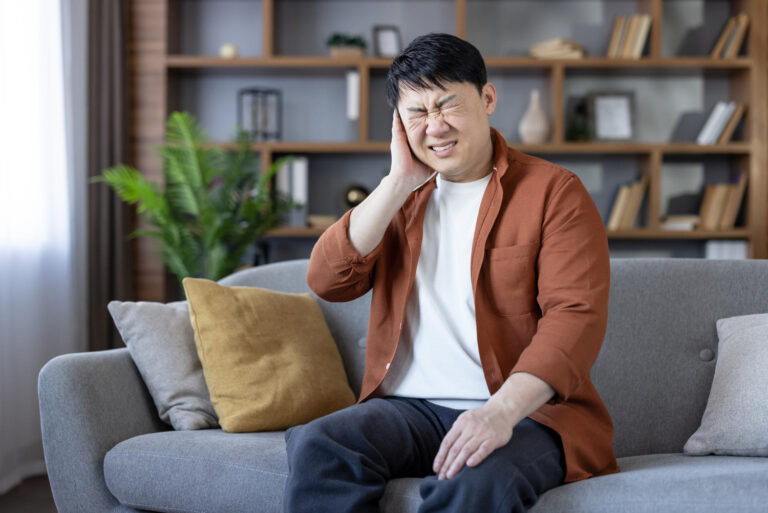
You may experience ringing, buzzing, or hissing that seems to come from inside your head or ears, despite there being nothing around you making the sound. This is known as tinnitus.
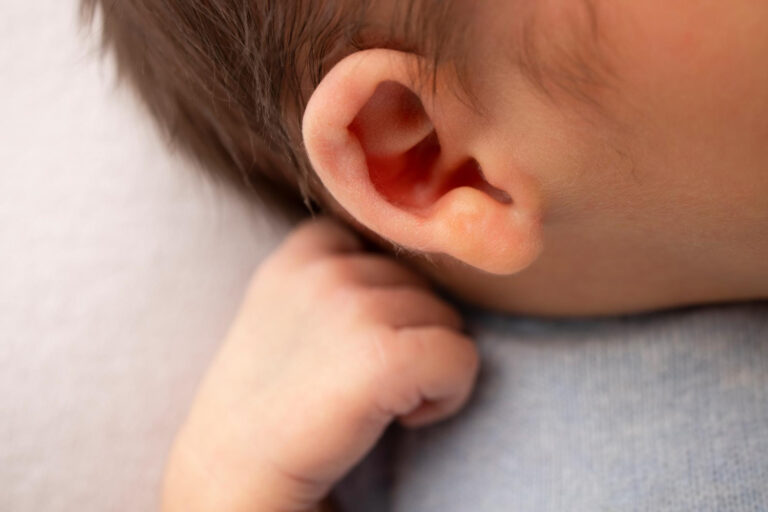
One ear looks slightly folded. The other seems to stick out more. Perhaps the upper part looks
unusually curved, smaller than expected, or simply different from the other ear.
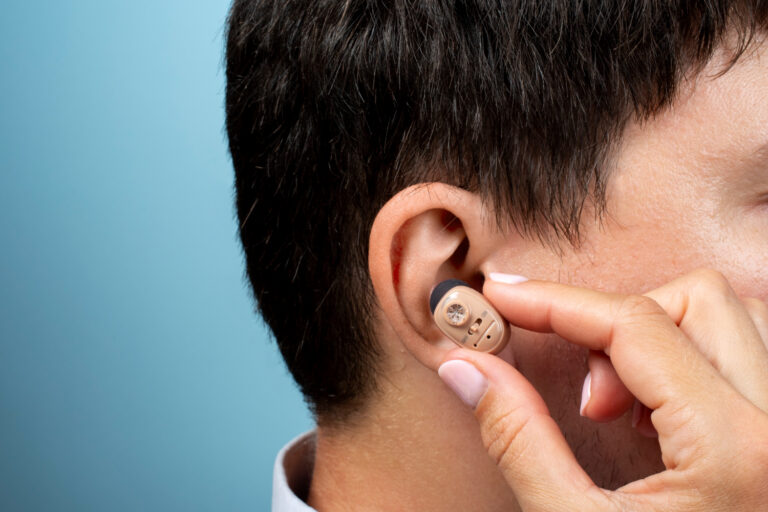
Will voices sound normal straight away? Will music sound the same? Will everyday sounds feel too sharp, too robotic, or simply unfamiliar?
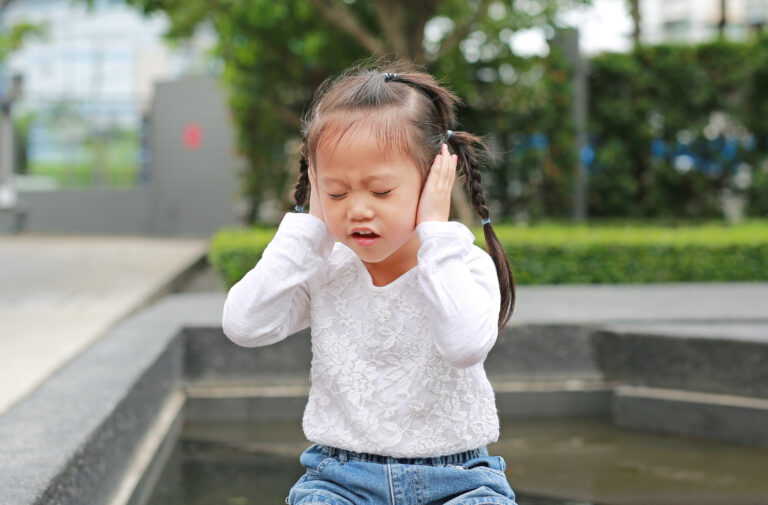
While many ear infections resolve without long-term problems, persistent middle ear fluid can temporarily reduce hearing, and hearing plays an important role in how children learn language during their early years.
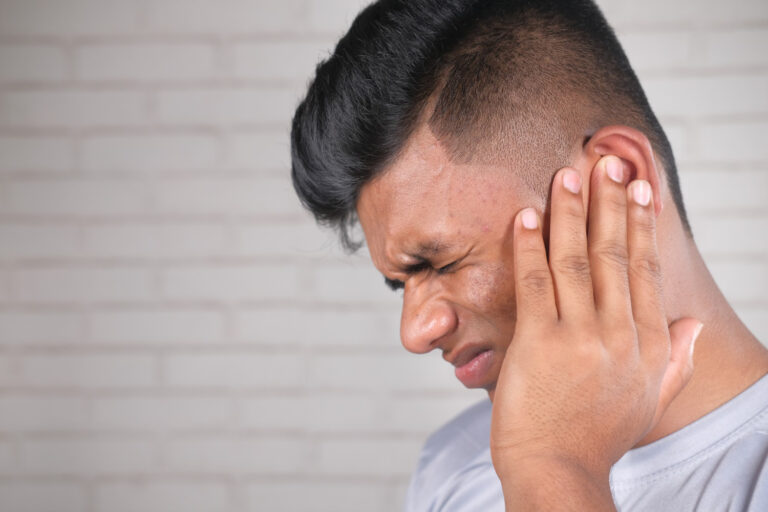
When you or your child develops ear pain, muffled hearing, or a feeling of fullness in the ear, it’s natural to assume it’s another ear infection.

Many people assume these symptoms are always caused by an infection. But allergies can also affect the ears, nose, and throat in ways that lead to ear pressure, throat irritation, and frequent throat clearing.
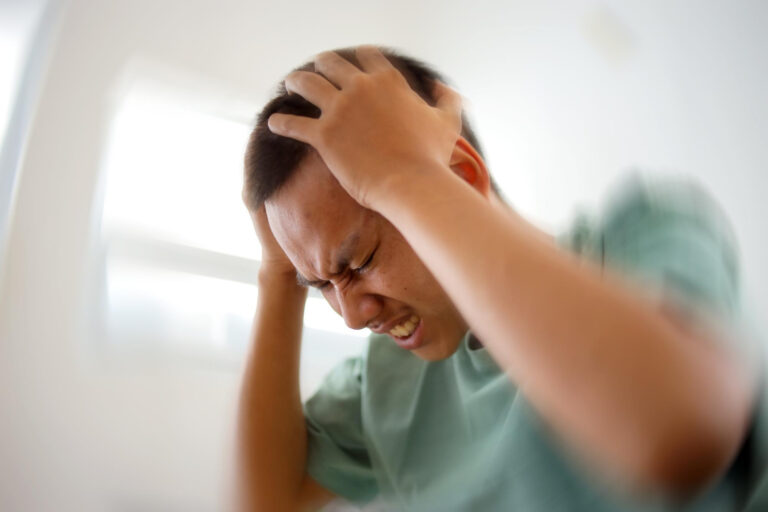
Have you ever turned over in bed, looked up at a shelf, or tilted your head back, only to suddenly feel as though the room is spinning?
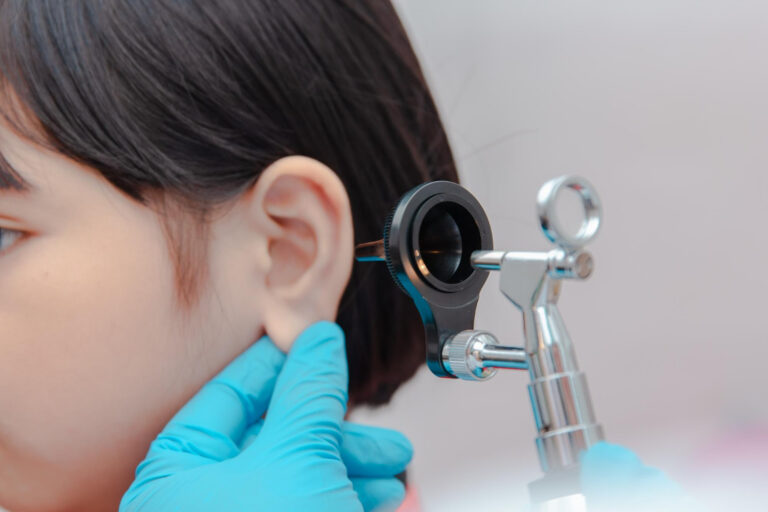
A blocked ear sensation can feel like pressure, muffled hearing, or fullness in the ear. Common causes include ear wax build-up, Eustachian tube dysfunction, ear infections, and hearing changes.
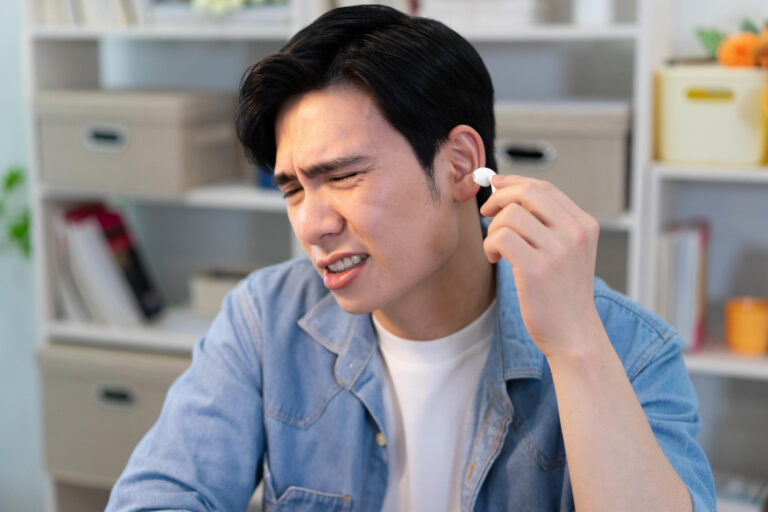
You might suddenly notice a high-pitched ringing, a soft buzzing, or even a faint humming sound in your ear. It may last for a few seconds, or it might continue for hours or days.
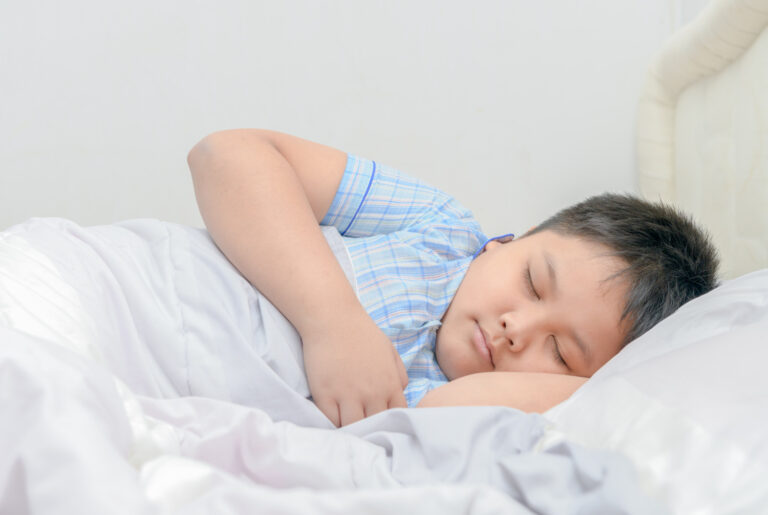
Many parents notice their child snoring occasionally, especially during a cold or when the nose is blocked. But when snoring becomes loud, frequent, or happens most nights, it often raises concerns.

Many people assume that facial pressure, a blocked nose, or headaches automatically mean sinus problems. But sinus symptoms can sometimes overlap with other conditions such as allergies, colds, or even migraines.

Inner ear balance disorders are a common cause of vertigo, dizziness, and imbalance. Treatment depends on the underlying cause, such as BPPV, vestibular neuritis, or Meniere’s disease.

If you find yourself sneezing through spring cleaning or feeling congested during steamboat, you’re not alone. Chinese New Year brings dust exposure, festive steam, late nights, and sometimes alcohol, all of which can trigger nasal

UNHS stands for Universal Newborn Hearing Screening. It’s a hearing test offered to all babies, usually within the first few days after birth, either in the hospital or shortly after discharge.

Noise-induced hearing loss (NIHL) happens when loud sounds damage the tiny hair cells inside the cochlea, the hearing organ in the inner ear.
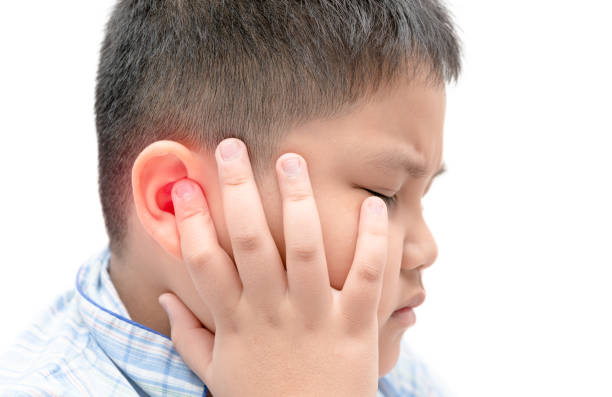
Younger children may not be able to describe what they’re feeling, so the signs can vary depending on their age.
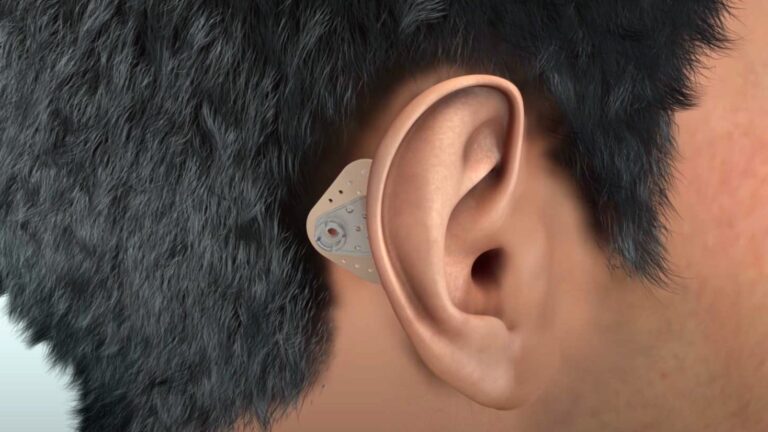
A BAHA, or Bone-Anchored Hearing Aid, is a surgically implanted hearing system that transmits sound through the bones of the skull to the inner ear.
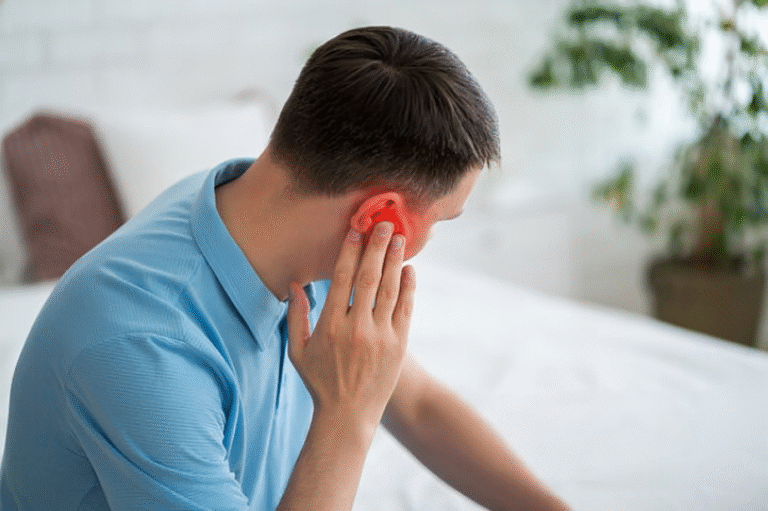
Tinnitus is not a disease, but rather a symptom, and shouldn’t be ignored, especially if it becomes persistent or worsens over time.

Have you noticed your voice cracking at the most inconvenient moments, mid-presentation or during a conversation with friends?
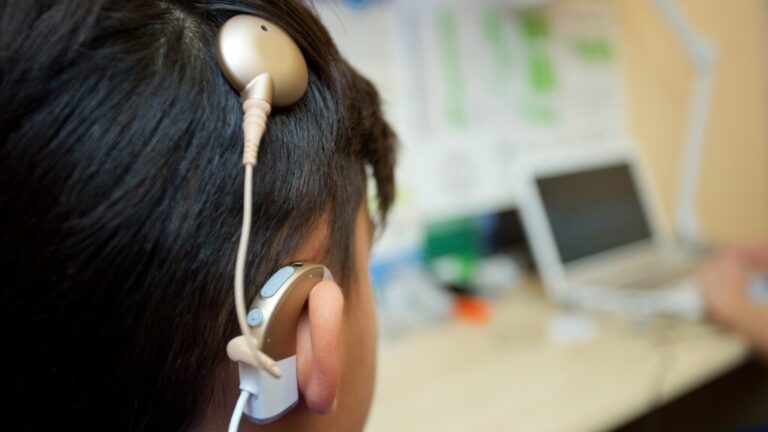
Cochlear implants are electronic medical devices that bypass damaged parts of the inner ear and directly stimulate the hearing nerve.

Hearing aids are often the go-to option for managing hearing loss, and rightly so, they help amplify sounds, improve communication, and support day-to-day life for many people.
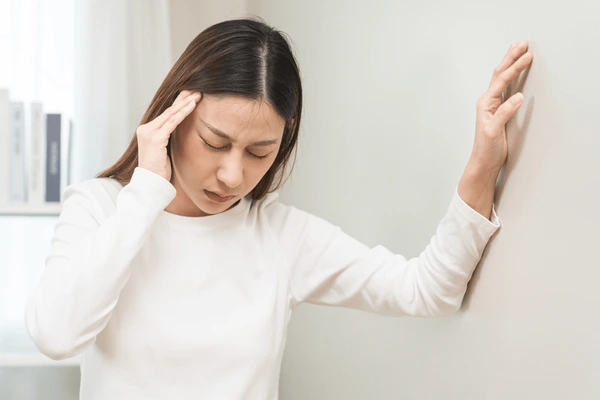
That sudden feeling that the room is spinning —even when you’re sitting still— can be startling and disorienting. If you’ve ever experienced vertigo, you’ll know it’s not just “feeling dizzy.” It’s a very specific kind

It’s not uncommon for children to face ear infections, nosebleeds, or sore throats. But when these issues become frequent or start to affect sleep, hearing, or speech, it may be time to consult a paediatric

Many parents consider snoring in children as just a cute little habit or a sign of deep sleep. However, persistent, loud snoring could be a red flag for a more serious condition, sleep apnoea.
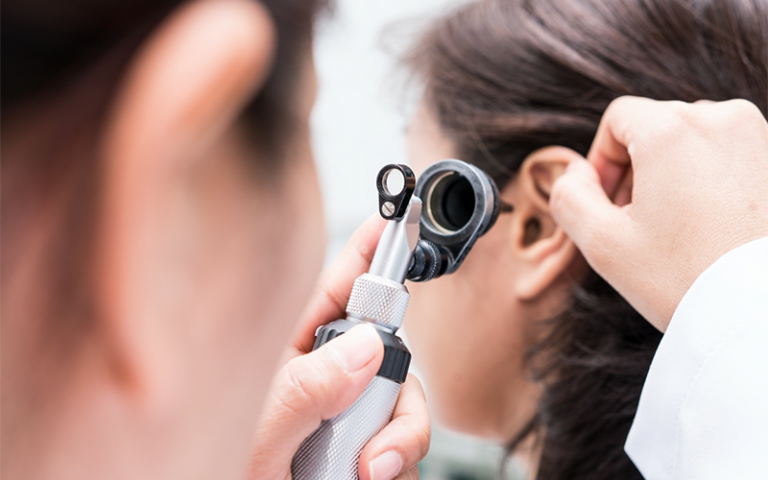
When people think of hearing loss, they often associate it with ageing or elderly family members turning up the television too loud. However, in recent years, more adults in their 30s and 40s have reported
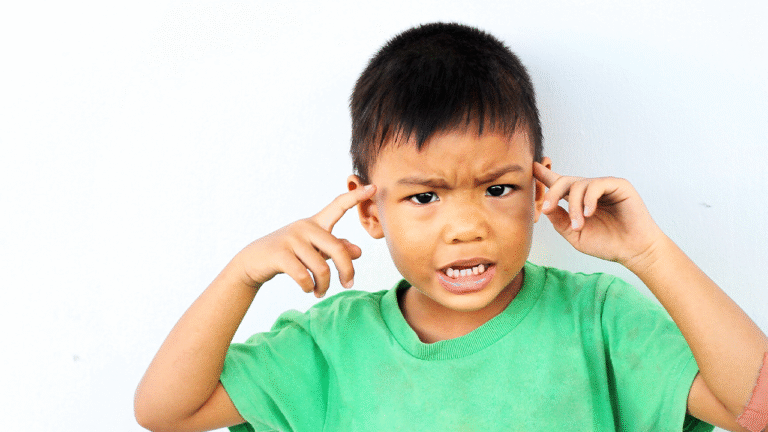
Finding a lump on your child’s neck or head can feel alarming , especially if it appears suddenly or doesn’t go away after a few days. The good news is that in most cases, these

Everyone gets a cough now and then. It’s usually nothing to worry about, a cold, a tickle in the throat, or a dusty afternoon. But what if the cough doesn’t go away? What if it

Living with tinnitus, that constant ringing, buzzing or hissing in the ears, can be frustrating enough on its own. But did you know that what’s on your plate could sometimes make it worse?

A cough that lingers longer than expected can be frustrating, especially when you’ve ruled out common culprits like a cold or the flu. But did you know that chronic cough might be linked to ENT
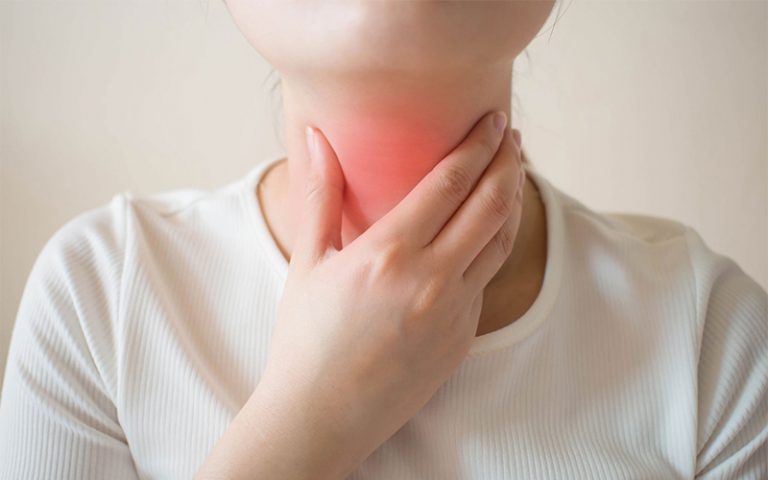
When your throat feels sore, scratchy, or persistently uncomfortable, it’s tempting to brush it off as a minor inconvenience.