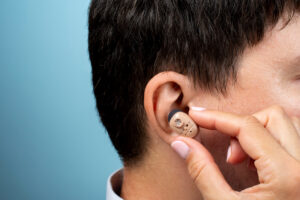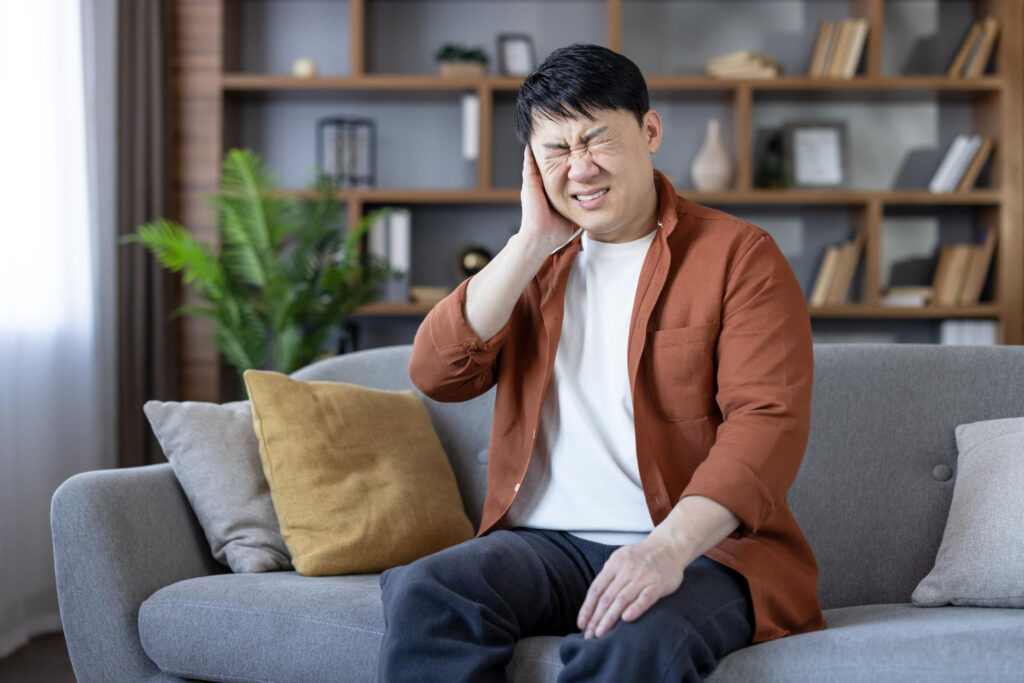
A buzz. A sudden whoosh. A loud roar. These sounds can sometimes come from the world around us. But what happens when you hear them even though there is no obvious external source?
You may experience ringing, buzzing, or hissing that seems to come from inside your head or ears, despite there being nothing around you making the sound. This is known as tinnitus.
For some people, tinnitus is temporary and may occur after exposure to loud music or other loud noises. For others, it can persist or return repeatedly and may be accompanied by hearing changes, dizziness, or other symptoms.
Tinnitus is common and, in most cases, is not associated with a serious underlying condition. However, certain types or patterns of tinnitus should be evaluated by a healthcare professional.
KEY TAKEAWAYS
- Tinnitus is the perception of ringing, buzzing, hissing, or other sounds without an external source.
- Common causes include exposure to loud noise, hearing loss, earwax buildup, ear conditions, certain medicines, stress, and poor sleep.
- Persistent, recurring, or one-sided tinnitus, especially with hearing loss, dizziness, or heartbeat-like sounds, should be assessed by a doctor.
- Treatment depends on what’s causing the tinnitus. It might involve treating ear problems, using hearing aids, or finding ways to manage ongoing symptoms.
What Is Tinnitus?
Tinnitus means hearing sounds when there’s nothing outside making them. People often describe these sounds as:
- Ringing
- Buzzing
- Hissing
- Humming
- Clicking
- Whooshing
You might hear the sound in one ear, both ears, or somewhere in your head. It can be there all the time or only sometimes.
Tinnitus is a symptom, not a disease. It can have many causes, like being around loud noise for a while, hearing loss, or certain ear problems.
What Causes Ringing in the Ears?
There are many reasons why someone might have tinnitus. Understanding the cause can help you know whether you need treatment or should see a doctor.
1. Exposure to Loud Noise
Exposure to loud sounds is one of the most common causes of ringing in the ears.
You may notice ringing after a concert, listening to loud music with headphones, working near loud machinery, or hearing a sudden loud noise.
Sometimes the ringing goes away once your ears have had time to recover. However, being around loud noise often can damage your hearing and make the ringing last longer.
2. Hearing Loss
Tinnitus often occurs along with hearing loss, especially as people age or if they have been exposed to loud noise for many years.
Hearing loss can develop gradually, so some people may not notice it right away. They might first notice ringing, difficulty following conversations, or needing to turn up the TV.
3. Earwax Build-Up
If earwax builds up and blocks your ear canal, it can affect your hearing and sometimes cause tinnitus or make it worse.
If earwax is causing your symptoms, removing the blockage may help reduce the ringing.
Avoid using cotton buds or other objects to clean your ears, as this can push the wax deeper or injure your ear.
4. Ear Infections and Other Ear Problems
Certain ear problems, such as infections or inflammation, can cause temporary ringing. Problems with the middle or inner ear can also play a role.
Tinnitus may occur along with ear pain, a feeling of fullness, discharge, or changes in your hearing.
5. Certain Medicines
Certain medicines can cause tinnitus or make it worse for some people. The risk depends on the type of medicine, the dose, and your health.
If you notice new or worsening tinnitus after starting a medicine, talk to your doctor or pharmacist instead of stopping prescribed treatment by yourself.
6. Stress and Poor Sleep
Stress can make tinnitus louder, while difficulty sleeping can make it harder to cope with persistent sounds.
This does not mean that stress is the main cause of tinnitus. Instead, stress and sleep problems can affect how much you notice or how you react to the sound.
7. Head or Neck Injuries
Sometimes, tinnitus can start after an injury to the head or neck.
If ringing in your ears begins after an injury, especially if you have other symptoms, you should seek medical advice.
8. Problems Affecting Blood Flow
Pulsatile tinnitus is a sound that repeatedly beats in time with your heartbeat and should be assessed by a healthcare professional because it can sometimes have an identifiable vascular or other medical cause.
Why Does My Ear Keep Ringing?
If your ears ring once in a while, it usually is not a sign of a serious problem. For instance, you might notice temporary tinnitus after spending time in a loud place.
Tinnitus that persists or recurs should be assessed when appropriate. Tinnitus accompanied by sudden hearing loss requires urgent medical attention. This is also important if it is making it hard to sleep, focus, hear, or enjoy daily life.
The way your symptoms appear can help your doctor figure out what is going on. They might ask questions like:
- When did the ringing start?
- Is it in one ear or both?
- Is it constant or intermittent?
- What does the sound resemble?
- Does it follow your heartbeat?
- Have you noticed hearing loss?
- Do you have ear pain, dizziness, or a feeling of fullness?
- Have you recently been exposed to loud noise?
- Are you taking any medicines that could be contributing?
When Should I See a Doctor About Tinnitus?
You should think about seeing a doctor if your tinnitus:
- Is persistent or keeps coming back
- Is mainly affecting one ear
- Occurs alongside hearing loss
- Is accompanied by dizziness or balance problems
- Started after a head or neck injury
- Is affecting your sleep or daily activities
- Sounds like it is beating in time with your heartbeat
Seek urgent medical attention if tinnitus occurs with sudden hearing loss, facial weakness, difficulty speaking, severe or uncontrolled vertigo, or other sudden neurological symptoms.
How Is Tinnitus Diagnosed?
A doctor will usually begin by asking about your symptoms and looking at your ears. A hearing assessment is commonly part of the evaluation, particularly because tinnitus is frequently associated with hearing loss. Additional tests or imaging may be recommended depending on your symptoms, for example, pulsatile tinnitus or certain forms of unilateral tinnitus.
The evaluation may focus on identifying treatable conditions, such as earwax blockage or an ear infection, as well as determining whether hearing loss may be contributing to the tinnitus.
Can Tinnitus Be Treated?
How tinnitus is treated depends on what is causing it and how much it bothers you.
If an underlying problem is identified, treating it may reduce or resolve the tinnitus. For example, removing an earwax blockage or treating an ear infection may improve symptoms. If you have tinnitus together with hearing loss, hearing aids may help by making external sounds easier to hear and potentially making the tinnitus less noticeable.
Other approaches may help people manage persistent tinnitus and reduce its impact on everyday life. These may include tinnitus support, sound-based approaches, and psychological therapies such as cognitive behavioral therapy (CBT) to reduce distress and improve quality of life.
No one treatment works for everyone, so it is important to get checked before choosing what to do next.
How Can I Protect My Hearing?
You cannot always prevent tinnitus, but taking care of your hearing can lower your risk of problems caused by loud noise.
You can help protect your ears by:
- Keeping headphone and earbud volumes at a comfortable level
- Taking breaks from prolonged headphone use
- Wearing appropriate hearing protection in loud environments
- Moving away from particularly loud sound sources where possible
- Having persistent changes in hearing assessed
It is also worth paying attention to recurring symptoms rather than simply ignoring them.
Frequently Asked Questions About Tinnitus
Is tinnitus serious?
Tinnitus usually is not a sign of something serious. However, if it lasts a long time or seems unusual, especially if you also have hearing loss, dizziness, or other changes, you should get it checked.
How long does tinnitus last?
It depends. Sometimes tinnitus goes away quickly after being around loud noise, but in other cases, it can last for months or longer. How long it lasts often depends on what is causing it.
Can stress cause ringing in the ears?
Stress can make tinnitus seem louder or more difficult to deal with. Still, if your tinnitus does not go away, there could be other reasons, so do not assume stress is always the cause.
Can earwax cause tinnitus?
Yes. If earwax blocks your ear canal, it can affect your hearing and sometimes cause tinnitus. A healthcare professional can check if earwax is the problem and help you remove it safely.
Should I worry about ringing in one ear?
If tinnitus persists mainly in one ear, especially if it does not go away or comes with changes in hearing, dizziness, or other symptoms, you should have it checked.
Consult an ENT Specialist
There are many possible reasons for ringing in the ears (tinnitus), and it does not always indicate a serious problem. It may occur temporarily after exposure to loud noise, but persistent
or recurring tinnitus can also be associated with hearing loss, ear conditions, certain medicines, or other causes.
If the ringing persists, keeps coming back, occurs mainly in one ear, or is accompanied by hearing loss, dizziness, or other symptoms, Dr Lynne Lim can assess your symptoms and help determine whether further evaluation or treatment may be appropriate.