If you spend time at concerts, music festivals, or in noisy workplaces, looking after your hearing is as important as caring for any other part of your health. Loud sounds can be fun or sometimes hard to avoid, but being around them for too long can harm the tiny structures in your inner ear and raise your risk of noise-induced hearing loss. While this type of hearing loss is usually permanent, it is also mostly preventable.
Knowing which sounds may be risky and adopting a few simple habits can help you protect your hearing without giving up the things you enjoy. In this article, we’ll look at how loud noise affects your ears, when to start being careful, and some practical steps you can take to keep your hearing safe.
Why is it important to protect your hearing?
Noise-induced hearing loss occurs when loud sounds damage the tiny hair cells in the cochlea, a structure in the inner ear that converts sound into signals for the brain. Unlike many other cells in the body, these hair cells do not regenerate once they are damaged.
For people living and working in Singapore, this is particularly relevant. According to the Ministry of Manpower (MOM), noise-induced hearing loss remains the leading work-related disease in Singapore, accounting for approximately 60% of all reported occupational disease cases.
Research in the journal Noise & Health has also shown that prolonged exposure to industrial noise may cause permanent hearing damage, communication difficulties, tinnitus, and difficulty understanding speech, particularly in noisy environments. Hearing changes often begin by affecting higher-pitched sounds before progressing further.
When are sounds considered too loud?
Most everyday sounds aren’t a problem, but as things get louder, the risk to your hearing increases.
As a rule of thumb, being around sounds above 85 decibels for a long time can put your hearing at risk. The higher the volume, the less time it takes for damage to happen.
Examples of common sound levels include:
- 30 dB – Whisper
- 60 dB – Normal conversation
- 85 dB – Heavy traffic
- 100 dB – Live concerts
- 110–120 dB – Headphones at maximum volume
- 130 dB or higher – Jet engine
Since places like concerts, festivals, sports events, construction sites, and factories can easily exceed 85 dB, it makes sense to take a few simple steps to protect your hearing when you can.
How can you protect your hearing?
You don’t have to stop going to concerts or switch jobs to protect your hearing. Even small changes can add up and make a real difference.
Keep the volume at a safer level
If you regularly use earbuds or headphones, consider following the 60/60 rule. Listen at no more than 60% of the maximum volume for no longer than 60 minutes before taking a break.
Turning the volume down a bit might not feel like much, but over time, it can really help lower the total noise your ears are exposed to each day.
Wear ear protection at concerts and festivals
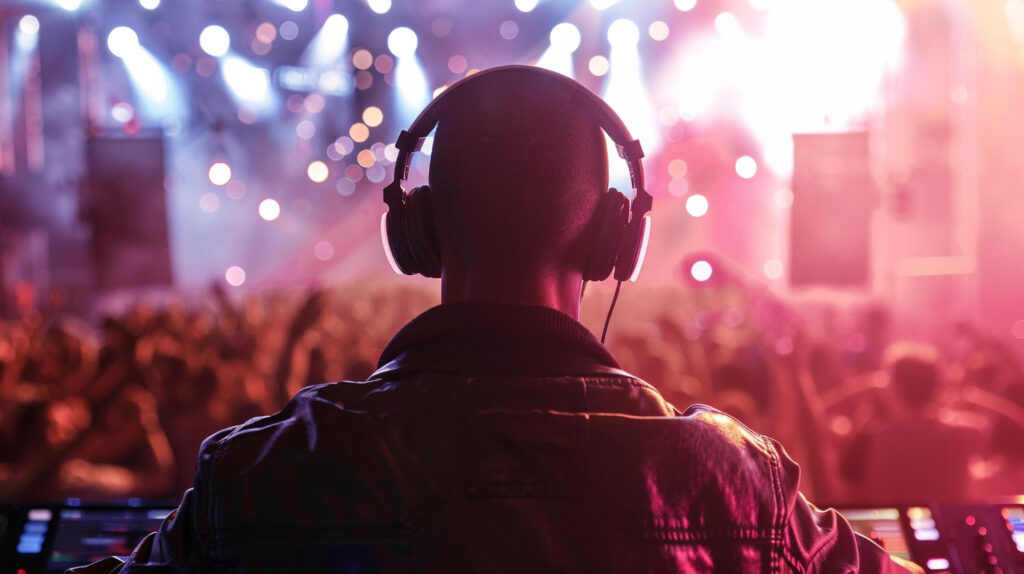
Live music venues often produce sound levels above 100 dB.
High-fidelity earplugs lower the overall volume but keep the music clear, so you can still enjoy the show while protecting your ears. They’re light, reusable, and easy to bring along to concerts or festivals.
Use hearing protection at noisy workplaces
If you spend a lot of time around machinery, construction tools, or other loud equipment at work, using hearing protection is an important part of staying safe on the job.
Depending on where you work, earmuffs or well-fitted earplugs can help reduce harmful noise. Many employers also offer hearing protection and regular hearing checks as part of their safety programmes.
Give your ears time to recover
Your ears need some quiet time after you’ve been in a loud place.
If you’ve just been to a concert, festival, or had a noisy day at work, letting your ears rest can help. Try skipping loud music on your headphones the next day, or spend some time in quieter places if you can.
Should hearing aid users take extra precautions?
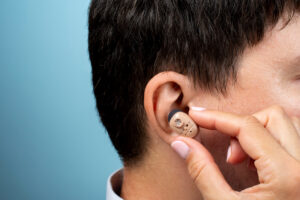
If you use hearing aids, it’s also important to protect them in noisy places.
Sudden loud sounds or prolonged noise exposure can put extra strain on your hearing aids. Keeping them clean and dry, storing them safely, and following your audiologist’s advice can help them keep working well.
When should you consider a hearing assessment?
Many people think hearing loss only happens as you get older, but anyone who spends time around loud noise should watch for changes in their hearing.
Consider arranging a hearing assessment if you:
- Experience persistent ringing or buzzing in your ears (tinnitus)
- Frequently ask people to repeat themselves
- Find conversations difficult to follow in noisy places
- Need to increase the television or phone volume more than before
- Have worked in noisy environments for many years
- Regularly attend concerts or music events without hearing protection
A hearing check can help spot any changes and let you know if you need to look into things further.
Frequently Asked Questions
Can one loud concert permanently damage hearing?
A single extremely loud event can damage hearing, especially if the sound reaches very high decibel levels. The risk depends on factors such as volume, exposure duration, and individual susceptibility.
Are earplugs safe to use during concerts?
Yes. High-fidelity earplugs reduce sound intensity while preserving sound quality, letting you hear music more comfortably while lowering your exposure to excessive noise.
How often should workers in noisy environments have their hearing checked?
The frequency of hearing assessments depends on the individual’s workplace, noise exposure level, and occupational health requirements. Your employer or healthcare professional can advise on an appropriate schedule.
Protect your hearing before problems develop
You don’t have to give up concerts, festivals, or a noisy job to protect your hearing. By noticing when things get too loud, using hearing protection, keeping your own music at a safe volume, and letting your ears rest, you can lower your risk of noise-induced hearing loss.
If you’ve noticed changes in your hearing, persistent tinnitus, or concerns following repeated exposure to loud noise, a medical assessment may help determine the underlying cause.
Dr Lynne Lim provides assessment and care for both adult and paediatric ENT conditions, including hearing concerns, tinnitus, and other ear-related conditions. She can evaluate your symptoms, review your medical history, and recommend appropriate next steps based on your individual needs.