When Parents Should Consider an ENT Assessment
Key Pointers
- Occasional snoring in children can occur during colds, but frequent or loud snoring may suggest an airway issue.
- One of the common causes is enlarged tonsils and adenoids, which can narrow the airway during sleep.
- Children who snore may also show signs such as mouth breathing, restless sleep, or daytime tiredness.
- Persistent snoring can sometimes be linked to sleep-disordered breathing.
- An evaluation by a paediatric ENT doctor may help identify the cause and discuss appropriate management.
“Is Snoring Normal in Children?”
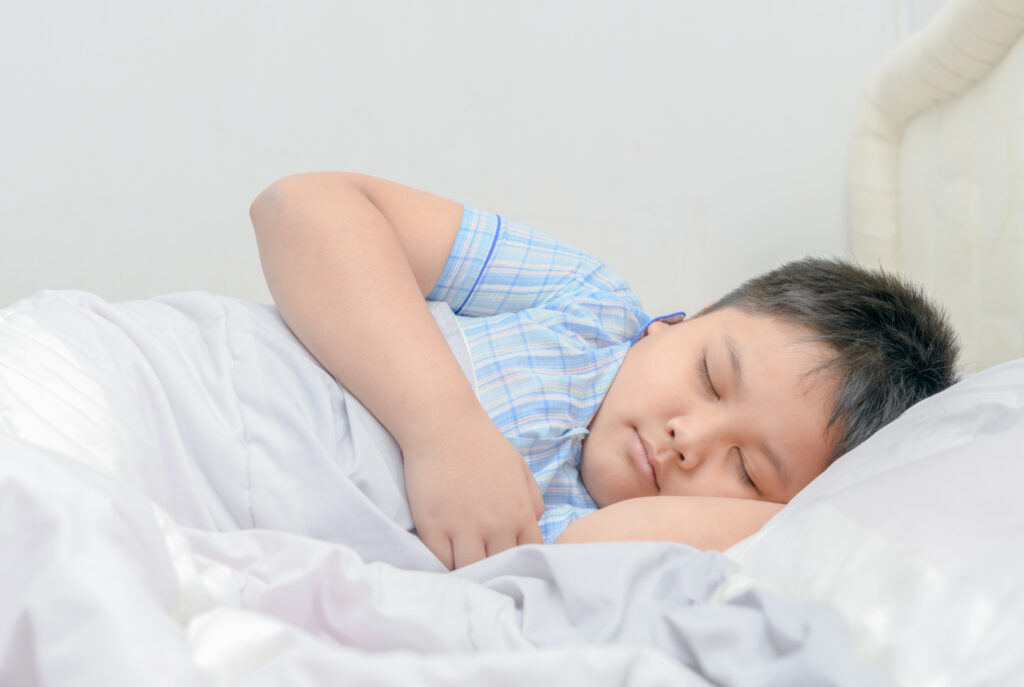
Many parents notice their child snoring occasionally, especially during a cold or when the nose is blocked.
But when snoring becomes loud, frequent, or happens most nights, it often raises concerns.
Parents may notice things like:
- Their child is breathing through the mouth during sleep
- Restless tossing and turning
- Pauses in breathing
- Daytime sleepiness or irritability
While some children outgrow mild snoring, persistent symptoms can sometimes be related to airway obstruction in the nose or throat.
ENT doctors often look at several possible causes before determining whether treatment is needed.
Could Enlarged Tonsils and Adenoids Be the Cause?
One of the most common causes of snoring in children is enlarged tonsils and adenoids.
The tonsils are located at the back of the throat, while the adenoids sit behind the nose. These tissues are part of the immune system and tend to be larger during early childhood.
When they become enlarged, they can narrow the airway during sleep, making it harder for air to pass through smoothly.
Signs enlarged tonsils or adenoids may be affecting sleep
- Loud snoring most nights
- Mouth breathing during sleep
- Restless sleep or frequent waking
- Pauses in breathing or gasping sounds
- Difficulty swallowing in some cases
A paediatric ENT doctor can examine the throat and nasal passages to determine whether enlarged tonsils or adenoids may be contributing to the symptoms.
Why Do Some Children Breathe Through Their Mouths?
Mouth breathing is another sign parents often notice.
Children may begin breathing through the mouth if the nose is consistently blocked. This may occur due to:
- Enlarged adenoids
- Nasal congestion from allergies
- Structural nasal blockage
Over time, habitual mouth breathing may affect sleep quality and daytime energy levels.
Parents sometimes report that their child:
- Sleeps with the mouth open
- Wakes with a dry mouth
- Has difficulty breathing comfortably through the nose
An ENT evaluation can help identify whether nasal obstruction is present.
Can Snoring Affect a Child’s Sleep Quality?
Snoring can sometimes be a sign of sleep-disordered breathing in children.
When airflow is partially blocked during sleep, the child’s sleep may become fragmented. Even if they appear to sleep through the night, their sleep may not be fully restorative.
Possible signs include:
- Restless sleep
- Night sweating
- Daytime fatigue
- Difficulty concentrating during the day
- Behavioural changes linked to poor sleep
Not all snoring leads to sleep problems, but persistent symptoms may warrant further assessment.
When Should Parents Consider Seeing a Paediatric ENT Specialist?
Parents may wish to consider an ENT consultation if their child:
- Snores loudly most nights
- Has pauses in breathing during sleep
- Frequently breathes through the mouth
- Appears unusually tired or irritable during the day
- Has recurrent throat or sinus infections
A paediatric ENT specialist may perform a clinical examination and ask detailed questions about sleep patterns, breathing, and overall health.
In some cases, additional assessments may be recommended to better understand the child’s airway and sleep quality.
What Treatment Options Are Available?
Management depends on the underlying cause of the snoring.
Possible approaches may include:
- Treating nasal allergies or congestion
- Monitoring symptoms if they are mild
- Addressing tonsil or adenoid enlargement
- Discussing procedures if airway obstruction is significant
ENT doctors aim to improve airway flow and sleep quality, helping children breathe comfortably during sleep.
The appropriate approach will depend on the child’s symptoms, examination findings, and overall health.
Frequently Asked Questions
Is snoring always a problem in children?
Occasional snoring during a cold is common. However, frequent or loud snoring most nights may indicate an airway issue that should be evaluated.
Do enlarged tonsils always require surgery?
Not always. Treatment depends on symptoms, airway obstruction, and the child’s sleep quality. Some children may be monitored, while others may benefit from medical or surgical treatment.
Why does my child sleep with their mouth open?
Mouth breathing during sleep may occur if the nose is blocked due to enlarged adenoids, allergies, or nasal congestion.
Can poor sleep affect my child’s behaviour?
Yes. Poor sleep quality may affect attention, mood, and energy levels in some children.
When should a child see an ENT doctor for snoring?
If snoring occurs most nights, affects sleep quality, or is associated with breathing pauses, an evaluation by a paediatric ENT specialist may help determine the cause.
Concerned About Your Child’s Snoring?
If your child snores frequently, breathes through the mouth during sleep, or appears restless at night, it may help to have their airway evaluated.
At Dr Lynne Lim Ear Nose Throat & Hearing Centre (Child & Adult), children can be assessed for conditions affecting breathing and sleep, including enlarged tonsils and adenoids, nasal obstruction, and paediatric sleep-related breathing concerns.
The clinic provides ENT evaluation for children, allowing the care team to examine the airway and discuss suitable management options based on the child’s symptoms.
If you are concerned about persistent snoring or breathing changes during your child’s sleep, consider arranging a consultation with a paediatric ENT doctor for further assessment.