Hearing difficulties can affect communication, learning, work, and daily safety at any age. Hearing loss may occur on its own or together with symptoms such as ringing in the ears, dizziness, balance problems, or developmental and learning concerns in children.
At Dr Lynne Lim Ear Nose Throat & Hearing Clinic, hearing aid services are provided as part of a comprehensive hearing and ENT assessment, led by an ENT specialist and supported by full-time professional audiologists. This approach helps ensure that hearing aids are considered only after treatable ear, nose, or throat conditions have been evaluated.
When should hearing aids be considered?
Hearing aids may be discussed if you or your child experience:
- Difficulty hearing conversations, especially in noisy environments
- Frequently asking others to repeat themselves
- Increasing the volume on televisions or devices
- Reduced awareness of surrounding sounds
- Delayed speech, unclear speech, or learning concerns in children
- Hearing loss identified during hearing tests
Not all hearing difficulties require hearing aids. An assessment helps determine whether hearing loss is temporary, medically treatable, or more persistent.
Hearing loss before hearing aids
Before hearing aids are recommended, a thorough evaluation is carried out to understand the nature of the hearing difficulty.
This includes assessing:
- The type of hearing loss (conductive, sensorineural, or mixed)
- The degree and pattern of hearing loss
- Whether hearing loss is stable, progressive, or reversible
- Associated conditions such as tinnitus, dizziness, balance disorders, or developmental concerns
Hearing loss may sometimes be confused with or coexist alongside conditions such as central auditory processing disorder, learning disorders, or balance-related ear conditions. Identifying these factors helps guide appropriate management.
Hearing assessment and diagnostic testing
Hearing aid services are supported by comprehensive hearing and balance assessments conducted in sound-treated environments.
Testing may include:
- Age-appropriate hearing tests for newborns, children, adults, and the elderly
- Objective and behavioural hearing assessments where required
- ENT examination to assess for ear wax, infections, or other ear conditions
- Balance and inner ear testing such as VHIT, VEMP, or VNG when dizziness or vertigo is present
Test results are explained clearly, including what they mean for communication, learning, and daily activities.
Hearing aid evaluation, selection, and fitting
If hearing aids are considered appropriate, the process involves more than choosing a device based on appearance or brand alone.
Evaluation and fitting include:
- Discussion of hearing needs at home, school, work, and social environments
- Consideration of hearing experience, lifestyle, dexterity, and comfort
- Trial of different hearing aid types and brands where appropriate
- Explanation of expected benefits and limitations of hearing aids
Hearing aids are selected based on individual needs rather than price, size, or cosmetic appearance alone.
What modern hearing aids can support
Newer hearing aid technologies may support hearing by offering features such as:
- Noise management to help distinguish speech from background sounds
- Directional microphones to focus on specific sound sources
- Reduced feedback for improved comfort
- Connectivity with mobile devices or televisions
- Sound therapy options for selected patients with tinnitus
- Different styles to suit varying degrees of hearing loss, comfort, and personal preference
Not all features are suitable for every individual, and recommendations depend on hearing profile and needs.
Are hearing aids suitable for children?
Hearing aids may be used in children when appropriate, with careful consideration of:
- Speech and language development
- Learning and classroom listening needs
- Comfort, safety, and device retention
- Ongoing monitoring as hearing and developmental needs change
Multidisciplinary care may be coordinated when needed, including speech therapy, auditory verbal therapy, developmental assessment, or educational support.
When hearing aids may not be enough
In some cases, hearing loss may progress or not respond adequately to hearing aids alone. Depending on hearing levels, anatomy, and individual needs, other options may be discussed, including:
- Assistive listening devices such as FM systems
- Surgical hearing devices, including bone-anchored, middle ear, or cochlear implants
These options are discussed only after careful assessment and consideration.
Follow-up and ongoing hearing care
Hearing needs can change over time. Follow-up appointments support:
- Review of hearing aid comfort and performance
- Adjustment of settings when needed
- Monitoring of hearing changes in adults and children
- Addressing concerns related to daily listening situations
Ongoing care forms an important part of long-term hearing management.
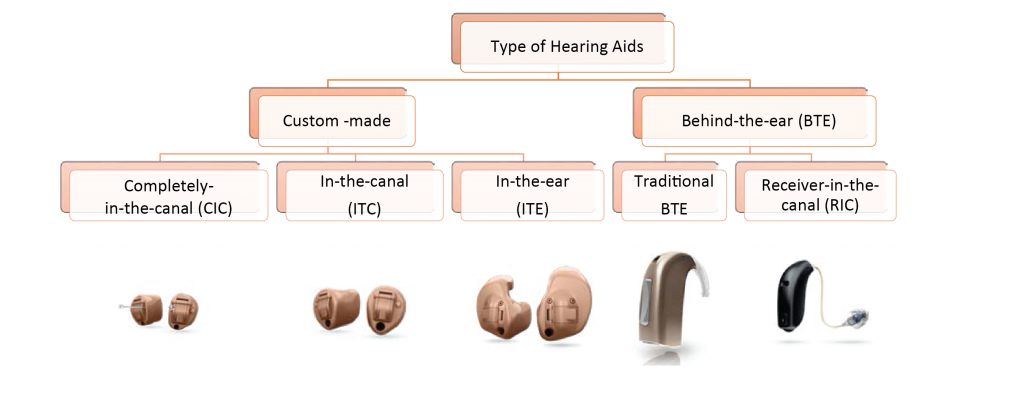
Categories of Hearing Aids
Common questions about hearing aids
Do hearing aids restore hearing to normal?
Hearing aids do not restore hearing to normal. They may help improve access to sounds and speech depending on the type and severity of hearing loss.
Do hearing aids restore hearing to normal?
Not all hearing loss is managed with hearing aids. Assessment helps determine whether hearing aids, medical treatment, or other options are more appropriate.
Do hearing aids restore hearing to normal?
Yes. Hearing loss may occur alongside tinnitus, dizziness, or balance disorders. Identifying these associations helps guide management.
Do hearing aids restore hearing to normal?
Yes, when appropriate. Hearing aids for children are fitted with careful monitoring and support as the child grows.
Book an Appointment
If you have concerns about hearing for yourself or your child, an assessment can help determine whether hearing aids or other management options may be appropriate.
Book an appointment to discuss hearing concerns and available options.