Understanding Early Hearing Checks and Why They Matter for Your Baby’s Development
Key Pointers:
- UNHS stands for Universal Newborn Hearing Screening, a safe and quick test done soon after birth.
- It helps detect hearing loss in newborns before speech and language delays occur.
- There are two main tests used: OAE (Otoacoustic Emissions) and ABR (Auditory Brainstem Response).
- Babies who do not pass the initial test are referred for further evaluation by a paediatric ENT specialist and audiologist.
- Early diagnosis and support (before 6 months of age) lead to better developmental outcomes.
What Does UNHS Mean?
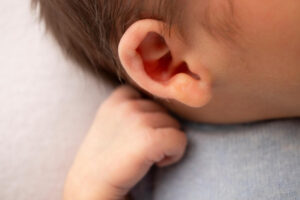
UNHS stands for Universal Newborn Hearing Screening. It’s a hearing test offered to all babies, usually within the first few days after birth, either in the hospital or shortly after discharge.
The screening is non-invasive, painless, and takes only a few minutes. It helps identify babies who may have hearing loss, even if there are no visible signs.
Why Is Newborn Hearing Screening Important?
Babies start learning language as soon as they are born, through listening, bonding, and responding to sound. But if a baby is born with hearing loss, it can affect:
- Speech and language development
- Learning and school readiness
- Social and emotional skills
- Parent-child communication
Most babies with hearing loss are born to parents with normal hearing. So without screening, the condition might not be noticed until much later, sometimes after the crucial window for early intervention has passed.
How Does the Hearing Screening Work?
The test is usually done while your baby is sleeping or resting. Two types of tests may be used:
1. OAE (Otoacoustic Emissions)
A small soft tip is placed in your baby’s ear to measure sound waves produced by the inner ear in response to clicks or tones. If the inner ear (cochlea) is working well, it will echo the sound back.
2. ABR (Auditory Brainstem Response)
Electrodes are placed on the baby’s head to measure how the hearing nerve and brain respond to sound. This gives information about the hearing pathway beyond the ear.
Both tests are safe, quiet, and suitable even for premature or medically fragile babies.
What If My Baby Doesn’t Pass the First Test?
Not passing the first screening does not always mean your baby has permanent hearing loss. It could be due to:
- Fluid in the ear canal (common after birth)
- Movement during the test
- Temporary blockage from vernix or earwax
However, it’s important to follow up with a repeat screening or full diagnostic hearing assessment.
If hearing loss is confirmed, your child may be referred to a paediatric ENT specialist, audiologist, and early intervention team to discuss treatment and support options. These may include:
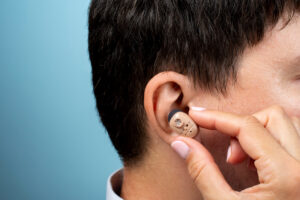
- Hearing aids
- Speech and language therapy
- Cochlear implants, depending on severity and cause
- Ongoing hearing monitoring and medical care
What Happens After an ENT Referral?
A paediatric ENT will:
- Examine the outer, middle, and inner ear to rule out correctable causes (e.g., wax, middle ear fluid, congenital abnormalities)
- Work with an audiologist to confirm the type and degree of hearing loss
- Discuss medical or surgical options, where appropriate
- Coordinate with early intervention teams, speech therapists, and educators
Some children may also need genetic testing, imaging (like MRI or CT scan), or vestibular assessments depending on the findings.
Frequently Asked Questions (FAQs)
- Is the newborn hearing screening mandatory in Singapore? While not legally required, UNHS is strongly recommended in both public and private hospitals as part of early childhood screening.
- Will the screening hurt my baby? No. The test is non-invasive, safe, and does not involve any needles or discomfort. Most babies sleep through it.
- What if my baby passes the screening but shows signs of hearing issues later on? Some types of hearing loss can develop after the newborn period, especially with certain infections, medication, or genetic conditions. If you notice delayed responses to sound or speech concerns, book an ENT review.
- Can babies with hearing loss still develop speech normally? Yes, with early diagnosis and intervention. Many children with hearing loss go on to develop speech and language successfully, especially if care begins within the first 6 months.
When to See a Paediatric ENT Specialist
You should consider booking a consultation if:
- Your baby did not pass their hearing screening
- You’re concerned about your child’s response to sound or delayed babbling
- There’s a family history of hearing loss
- Your child has had infections, NICU stay, or conditions linked to hearing problems
At Dr Lynne Lim Ear Nose Throat Head and Neck Surgery Centre, Dr Lynne Lim, a Senior Consultant Ear Nose Throat – Head & Neck Surgeon, offers:
- Comprehensive newborn and child hearing assessments
- Diagnostic ABR testing and cochlear imaging where needed
- Evaluation for hearing aids, cochlear implants, and other treatment pathways
- Ongoing follow-up and support through developmental milestones
Early action changes lives. Book a paediatric ENT consult today if your baby needs follow-up after hearing screening, or if you’re unsure about their hearing response.