Impact of Loud Sounds and the Importance of Early Evaluation
Key Pointers:
- Noise-induced hearing loss (NIHL) is caused by exposure to loud sounds that damage the inner ear’s hair cells.
- It can occur gradually over time or suddenly after a loud event.
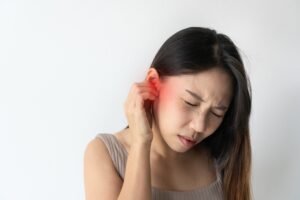
- Early signs include ringing in the ears (tinnitus), difficulty hearing in noisy places, or needing higher volume settings.
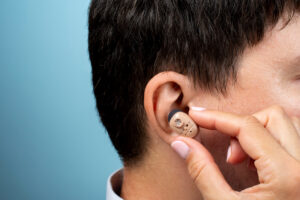
- ENT specialists assess the extent of hearing damage and explore treatment options, which may include lifestyle changes, hearing aids, or auditory processing evaluations.
What Is Noise-Induced Hearing Loss?
Noise-induced hearing loss (NIHL) happens when loud sounds damage the tiny hair cells inside the cochlea, the hearing organ in the inner ear. These hair cells help convert sound into signals your brain can understand, and once damaged, they don’t grow back.
The hearing loss may be temporary at first (a “threshold shift”) but can become permanent with repeated exposure. Even if there’s no pain, long-term damage can quietly build up, especially with frequent use of earbuds, headphones, or exposure to workplace noise, concerts, or loud hobbies.
Early Signs of Noise-Induced Hearing Loss
Noise-induced hearing loss often develops gradually, so it can be hard to spot at first. Some common signs include:
1. Ringing or Buzzing in the Ears (Tinnitus)
This is often one of the first signs after loud sound exposure. It may come and go or be persistent.
2. Muffled or “Dull” Sounds
Sounds may feel less sharp or clear, especially after leaving a noisy environment.
3. Trouble Hearing in Noisy Places
You might find it hard to follow conversations in a restaurant or group setting, even if others your age don’t have the same issue.
4. Turning Up the Volume
If you or others notice the TV, music, or calls always need to be louder than before, it could signal a change in your hearing threshold.
5. Avoiding Conversations
Some people unconsciously withdraw from social interactions due to the frustration of not hearing clearly.
How ENT Specialists Assess Noise-Related Hearing Loss
If you’re concerned about any of these signs, an ENT clinic can provide a structured evaluation, which may include:
- Audiometry – a hearing test that checks how well you detect sounds across various pitches and volumes.
- Tympanometry – to rule out other causes of hearing loss such as earwax or middle ear fluid.
- Speech discrimination tests – to see how well you understand spoken words.
- Auditory processing assessments – especially if you “hear” but cannot make sense of what’s heard.
In some cases, the hearing loss may not show on basic tests but could still reflect changes in how your brain processes sound. This is especially relevant for those with long-term earbud use or frequent exposure to background noise.
Why Early Diagnosis Matters
Catching noise-induced hearing loss early can help:
- Prevent further damage through protective measures (e.g., earplugs, volume limits)
- Offer supportive strategies, like sound therapy or communication tips
- Identify whether the hearing loss is temporary or permanent
- Detect any underlying or co-existing ear conditions, such as earwax impaction, middle ear issues, or tinnitus-related stress
Frequently Asked Questions (FAQs)
- Can hearing loss from noise exposure be reversed? Temporary threshold shifts may recover with rest, but permanent damage cannot be reversed. Early detection can help limit further decline.
- How loud is too loud for my ears? Sounds above 85 decibels (e.g. power tools, loud concerts, fireworks) can damage your hearing over time, especially with prolonged exposure.
- I use earbuds all day but hear fine. Should I still be concerned? Yes. Overuse of earbuds or headphones can affect how your brain processes sound, even if standard hearing tests appear normal. ENT clinics offer specialised auditory processing evaluations.
- Should I see an ENT or an audiologist? Start with an ENT specialist if there’s tinnitus, ear discomfort, or possible medical causes. ENT doctors work closely with audiologists for full hearing and balance assessments.
When to See an ENT Specialist
It’s time to seek an ENT consultation if you:
- Notice ringing in your ears after sound exposure
- Struggle to follow conversations in group or noisy settings
- Feel like you’re hearing but not understanding
- Frequently need to increase volume to hear clearly
- Have concerns after attending a loud event or using earphones daily
At Dr Lynne Lim Ear Nose Throat Head and Neck Surgery Centre, Dr Lynne Lim, a Senior Consultant Ear Nose Throat – Head & Neck Surgeon, provides comprehensive hearing assessments, from ear health checks and audiometry to auditory processing evaluations for adults and children.
The clinic also advises on:
- Safe earbud/headphone habits
- Custom ear protection for musicians, industrial workers, and students
- Hearing support solutions, including when hearing aids are not the only option
Don’t wait until the damage is done. Early checks can protect how you hear and how your brain makes sense of sound. Book an ENT hearing evaluation today.