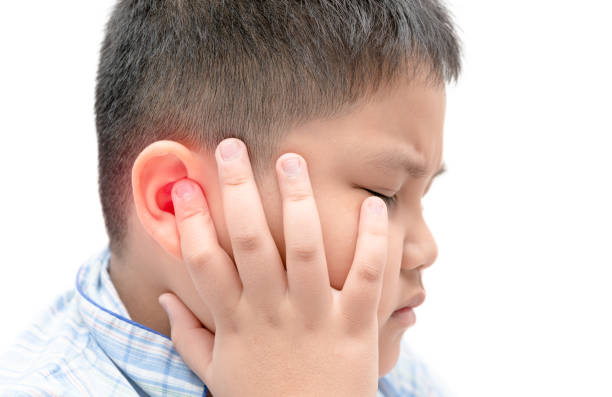
What to Watch For and When to See a Paediatric ENT Specialist
Key Pointers:
- Earwax (cerumen) is normal and protective, but in some children, it can build up and block the ear canal.
- Common signs include reduced hearing, ear discomfort, tinnitus (ringing), and even behavioural changes in toddlers and young children.
- Earwax blockage may be mistaken for ear infection, speech delay, or inattention.
- A paediatric ENT consultation can help confirm the cause and offer safe, effective removal options.
Why Earwax Matters in Children
Earwax helps protect the ear by trapping dust, dirt, and bacteria, preventing them from reaching the inner ear. It usually works its way out naturally.
However, in some children, especially those with narrow ear canals, frequent use of cotton buds, or skin conditions like eczema, earwax can accumulate and harden, leading to symptoms that are easy to miss or misinterpret.
Common Signs of Earwax Blockage in Children
Younger children may not be able to describe what they’re feeling, so the signs can vary depending on their age. Here’s what parents should watch out for:
1. Complaints of Ear Fullness or "Blocked" Sensation
Older children may say it feels like their ear is “closed” or “stopped up.” It may come and go depending on movement or posture.
2. Muffled Hearing or Saying “Pardon?” Often
If your child starts turning up the TV, missing instructions, or seems to ignore you, it could be due to temporary hearing loss from wax.
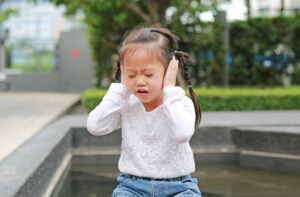
3. Irritability or Tugging at the Ear
Toddlers may tug or rub the affected ear frequently. While this can also indicate an ear infection, it’s also a common sign of wax build-up.
4. Ringing or Buzzing in the Ear (Tinnitus)
Some children report hearing a sound even in quiet settings, described as ringing, whooshing, or buzzing. Tinnitus from wax is often relieved once the blockage is removed.
5. Balance Concerns or Dizziness
Although less common, impacted wax near the eardrum can affect balance, especially in very active or sporty children.
Why It Shouldn’t Be Ignored
Earwax blockage may not be dangerous on its own, but ignoring it can lead to other issues, such as:
- Speech and language delays, especially in younger children
- Missed diagnoses, if the doctor can’t properly view the eardrum
- Increased risk of ear infections, due to trapped debris and moisture
- Emotional frustration from poor hearing or discomfort
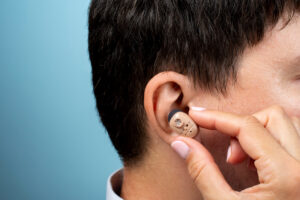
In children with hearing aids or a history of ear surgery, managing wax safely is even more important to avoid complications.
What NOT to Do at Home
Parents may be tempted to use cotton buds, ear candles, or drops from the pharmacy, but these can sometimes push wax deeper, irritate the ear, or cause more harm than good.
Instead, consult with a paediatric ENT specialist for:
- Proper examination using a paediatric otoscope
- Safe removal with tools like a microsuction device or manual curette
- Guidance on preventive care if your child has recurring wax build-up
Frequently Asked Questions (FAQs)
- Should I clean my child’s ears regularly at home? No. The ear is self-cleaning in most cases. Avoid inserting cotton buds or objects, which can worsen blockage or cause injury.
- Is earwax blockage the same as an ear infection? No. However, the symptoms can overlap (e.g. hearing loss, ear discomfort). An ENT doctor can distinguish between them and treat accordingly.
- How do ENT doctors remove earwax in children? Depending on the child’s age, comfort level, and the extent of blockage, removal can be done with microsuction, curettage, or ear drops under proper supervision.
- How often should my child’s ears be checked? If your child has recurring wax issues, frequent ear infections, or speech concerns, regular ENT reviews are advised. Otherwise, a routine check during health visits is usually enough.
When to See a Paediatric ENT Specialist
It’s time to book a consultation if your child:
- Says their ear feels blocked or sounds are “muffled”
- Shows signs of hearing changes, speech delay, or frequent ear discomfort
- Has one-sided symptoms that persist for more than a few days
- Uses hearing aids or has previous ear conditions requiring extra care
At Dr Lynne Lim Ear Nose Throat Head and Neck Surgery Centre, Dr Lynne Lim, a Senior Consultant Ear Nose Throat – Head & Neck Surgeon, has extensive experience caring for children with ear-related concerns.
The clinic offers:
- Child-friendly, in-clinic ear examination and safe wax removal
- Assessment of hearing, speech, and ENT-related development
- Preventive care advice for recurring wax or ear infections
If your child seems “off” or is showing signs of ear discomfort or hearing difficulty, don’t wait. A quick ENT review can provide peace of mind and clear hearing.